I get called back to the same restaurants more than any other type of property. The owner clears the blockage, it runs fine for a few weeks, then it’s back. After enough of these callbacks, the pattern becomes obvious: the blockage was never really gone, just pushed further down the line.
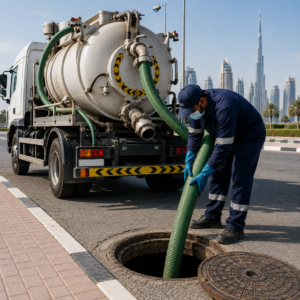
If your restaurant drain keeps blocking no matter how often you clear it, here’s what’s usually causing it, and why a proper grease trap cleaning service in Dubai tends to fix what a quick unclogging can’t.
The Real Reason Kitchen Drains Keep Blocking
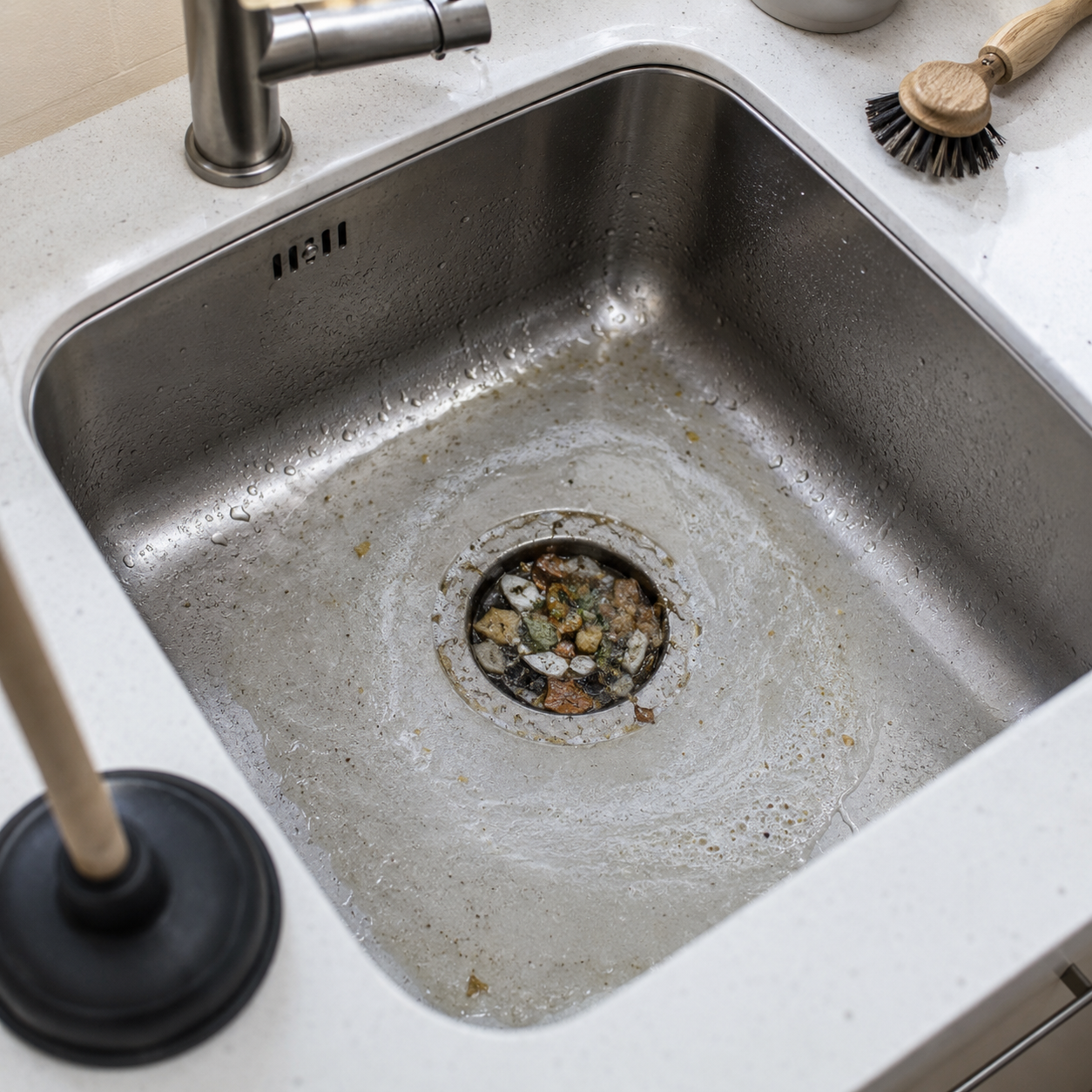
Most commercial kitchens produce far more fat, oil, and grease than a home kitchen ever does. That grease goes down the drain as a liquid, cools as it moves through the pipe, and hardens along the walls. Over time, that buildup narrows the pipe until even small amounts of food debris or water can’t pass through.
Clearing the visible clog with a plunger or drain snake removes what’s blocking the surface, but the hardened grease coating the pipe walls stays behind. That’s why the same drain blocks again within weeks. The underlying buildup was never addressed.
Common Causes Behind Recurring Blockages
Grease trap not cleaned often enough. The grease trap is designed to catch fat and oil before it reaches the main drain line. If it’s not maintained on schedule, it fills up and starts letting grease pass straight through into the pipes. Grease trap cleaning frequency matters more than most kitchen staff realize, since a trap that’s cleaned too infrequently defeats its own purpose.
Food particles washed down the sink. Even small scraps add up over time, especially when combined with grease. They catch on rough buildup inside the pipe and accelerate blockages.
Improper disposal habits. Pouring used cooking oil or sauce residue down the drain instead of into waste containers speeds up buildup significantly, even with a functioning grease trap.
Aging or narrow pipework. Older commercial kitchens sometimes have pipe diameters that were never sized for current volume, making them more prone to blockages regardless of maintenance.
Only clearing, never cleaning. Reactive clearing removes the immediate clog. It doesn’t remove the grease lining the rest of the pipe, which is why the same section blocks again soon after.
Signs the Blockage Is Becoming a Bigger Problem
A few warning signs suggest the issue has gone beyond a simple clog:
- Water draining slower than usual, even right after clearing it
- Gurgling sounds coming from the drain
- A kitchen sewage smell lingering near the sink or floor drain
- Water backing up in a different sink when one drain is used
- Needing to clear the same drain more than once a month
Any of these usually mean grease has built up further down the line than a quick clearing can reach.
Why Grease Trap Cleaning Fixes the Real Problem
A proper grease trap cleaning removes the fat, oil, and solid waste that’s collected in the trap before it can reach the drain lines. Combined with periodic pipe cleaning to clear existing buildup, this addresses both the source of the problem and the buildup that’s already there.
Kitchens on a consistent grease trap cleaning schedule see far fewer repeat blockages than those relying on reactive plunging or snaking whenever a drain backs up.
How Often Should a Restaurant Drain Be Serviced?
This depends on kitchen volume, but as a general guide:
- High-volume kitchens (full-service restaurants, large cafes): every 4 to 6 weeks
- Medium-volume kitchens: every 2 to 3 months
- Lower-volume kitchens or smaller cafes: every 3 to 6 months
Kitchens that fry heavily or produce a lot of oil-based waste usually need to stay on the shorter end of these ranges.
Stop Recurring Kitchen Drain Blockages Before They Return
If a restaurant drain keeps blocking, the cause is almost always grease buildup that clearing alone never fully removes. A proper grease trap cleaning schedule, paired with pipe maintenance, stops the cycle instead of just managing it week to week.
If your kitchen drain has become a recurring problem, Frontline Cleaning Services can assess your grease trap and drainage system and set up a cleaning schedule that actually prevents the next blockage. Get in touch to book an assessment.
Frequently Asked Questions
Why does my restaurant drain keep blocking even after I clear it?
Clearing removes the visible clog but leaves hardened grease coating the pipe walls. Without cleaning the grease trap and pipes properly, that buildup causes the same blockage to return.
Can I prevent kitchen drain blockages without professional cleaning?
Training staff to scrape food waste into bins and avoid pouring oil down the sink helps, but it won’t remove existing buildup already lining the pipes or grease trap.
Is a bad smell from the kitchen drain always linked to blockages?
Usually, yes. A kitchen sewage smell often points to trapped grease or waste breaking down inside the pipe, which is frequently the same buildup causing blockages.
How long does grease trap cleaning take for a restaurant?
Most standard grease traps take 30 minutes to an hour to clean, depending on size and how full they are.
What happens if a restaurant ignores repeated drain blockages?
Left unaddressed, buildup can lead to complete blockages, backups into the kitchen, and in some cases, violations of local health and safety requirements for commercial kitchens.