Dealing with bed bugs is one of the most stressful household problems I’ve faced. Over the years, I’ve learned that cleaning a mattress from bed bugs requires a careful combination of techniques, patience, and sometimes even consulting frontline cleaning services to ensure the job is done thoroughly.
In this guide, I’ll share my personal experience and expert tips to help you tackle this problem effectively, keeping both your health and comfort in mind.
Understanding Bed Bugs and Their Hiding Spots
Before diving into cleaning, it’s important to understand what you’re dealing with. Bed bugs are tiny, reddish-brown insects that feed on human blood, often leaving itchy bites. They’re masters at hiding, commonly residing:
- In mattress seams and folds.
- Inside box springs and bed frames.
- Around baseboards and furniture crevices.
Knowing their preferred hiding spots helps you target your cleaning efforts and prevent reinfestation.
Step 1: Prepare Your Mattress and Bedroom
Preparation is key. From my experience, skipping this step only prolongs the problem. Here’s how to start:
- Remove Bedding: Strip your mattress completely and wash all sheets, pillowcases, and blankets in hot water (at least 60°C/140°F) to kill bed bugs and their eggs.
- Declutter the Room: Bed bugs love hiding in clutter. Clear items around the bed, vacuuming as you go.
- Protect Yourself: Wear gloves and, if possible, a mask while handling infested bedding.
This preparation minimizes the spread of bed bugs during cleaning.
Step 2: Vacuum and Steam Your Mattress
From personal experience in Dubai, a thorough vacuuming followed by steaming is the most effective method to remove bed bugs without harsh chemicals, though sometimes seeking professional Mattress Cleaning in Dubai can provide extra peace of mind.
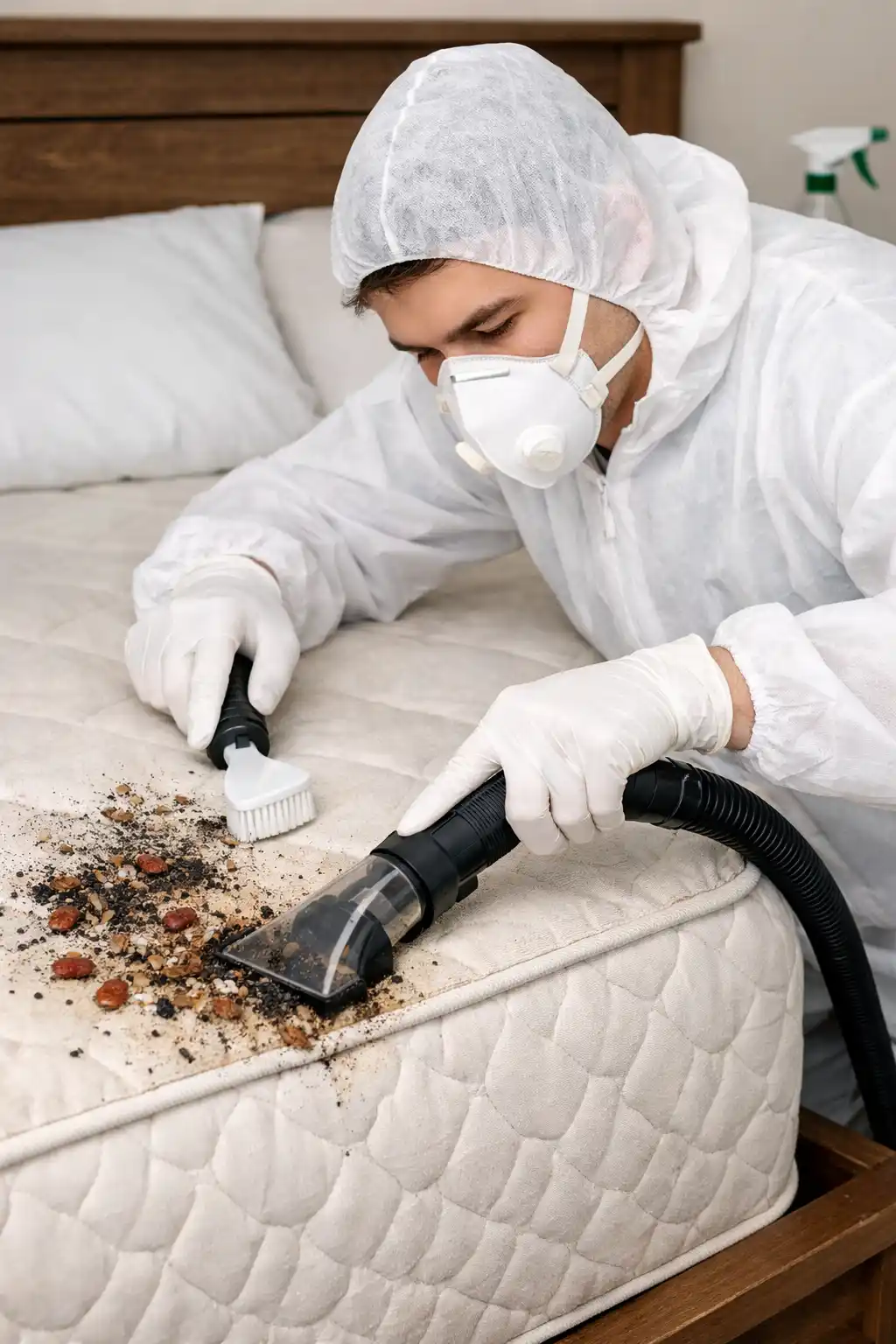
- Vacuuming: Use a vacuum with a crevice tool to reach seams, edges, and under the mattress. Dispose of the vacuum bag or empty the container outside immediately.
- Steaming: Bed bugs and eggs cannot survive high heat. Using a handheld steam cleaner, apply steam slowly across all surfaces, paying extra attention to folds and edges.
Tip: Steaming works best for killing live bed bugs, while vacuuming helps remove eggs and debris.
Step 3: Apply Bed Bug Treatment Safely
After cleaning, I recommend applying a treatment to prevent reinfestation. There are several options:
- Bed Bug Sprays: Choose EPA-approved sprays suitable for mattresses. Follow instructions carefully.
- Diatomaceous Earth: This natural powder can be sprinkled around bed frames and edges; it dehydrates and kills bed bugs over time.
- Encase Your Mattress: A mattress encasement trap can seal in any remaining bugs and prevent new ones from entering.
Always use products that are safe for humans and pets. Avoid over-spraying or using harsh chemicals directly on the mattress.
Step 4: Maintain a Bed Bug-Free Environment
Cleaning the mattress is only half the battle. Maintaining a bed bug-free bedroom is crucial:
- Wash bedding weekly in hot water.
- Vacuum the room regularly, including mattress edges, carpets, and furniture.
- Inspect second-hand furniture before bringing it home.
Consistency is key. From my experience, people often overlook regular maintenance, which can lead to reinfestation.
Conclusion
Cleaning a mattress of bed bugs may seem overwhelming, but with the right steps, it’s completely manageable. From stripping your bedding and vacuuming to steaming, treating, and maintaining, each step works together to ensure your bed becomes a safe, comfortable space again. Additionally, knowing how to clean a waterproof mattress protector properly helps maintain hygiene and extends the life of your bedding. By following these tips, you can tackle bed bugs effectively while safeguarding your home and health.