The smell arrived before the guests did.
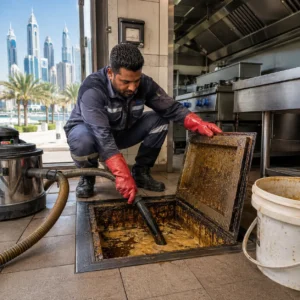
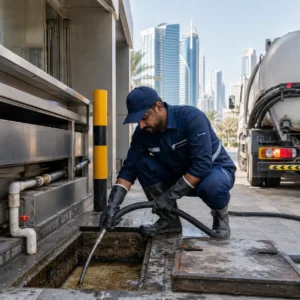
A villa owner in Dubai called us on a Friday evening. His family had noticed a foul odor for days, and now the drains were gurgling and slow. By the time we arrived, wastewater was rising toward the inspection cover. The tank had not been cleaned in over a year — and it had quietly filled to the top. What could have been a routine, low-cost service turned into an urgent emergency.
Here is the short answer to the question everyone asks too late: most residential sewage tanks in Dubai should be cleaned every 6 to 12 months. But that is only the starting point. The right sewage tank cleaning frequency depends on your tank, your household, and how you use it.
This guide breaks it all down — how often to clean, what changes the schedule, and the warning signs you should never ignore. If you want a full overview of the service itself, see our complete guide to sewage tank cleaning in Dubai.
The Quick Answer: Cleaning Frequency by Property Type
Every property is different, but these ranges cover most cases in Dubai:
- Small household (2–3 people): every 9 to 12 months.
- Average villa or family home (4–6 people): every 6 to 12 months.
- Large household or shared villa: every 3 to 6 months.
- Commercial spaces (offices, retail, cafes): every 3 to 4 months (quarterly).
- High-usage sites (hotels, restaurants, labour accommodation): monthly to quarterly.
- Septic tanks with a working soakaway: often longer intervals, but Dubai’s heat and heavy use push many toward 3 to 6 months.
Think of these as guides, not guarantees. The factors below decide where your property really falls.
What Affects Sewage Tank Cleaning Frequency
Five things change how fast your tank fills up. Understanding them helps you set the right schedule instead of guessing.
1. Tank Size
A larger tank holds more, so it needs emptying less often. A small tank on a busy home fills fast. Always match the schedule to your actual capacity, not a generic rule.
2. Number of People
More people means more wastewater every day. A family of six produces far more than a couple. As your household grows — or when guests stay long-term — your tank fills quicker.
3. Water Usage Habits
Long showers, frequent laundry, and heavy kitchen use all add up. High water use fills the tank faster and shortens the time between cleanings.
4. Tank Type
This is the big one. A septic tank with a working soakaway lets liquid drain away, so solids build up more slowly. A sealed holding tank — common in Dubai areas not connected to the main sewer — keeps everything inside. Holding tanks fill much faster and need emptying far more often.
5. Whether It Is Residential or Commercial
Commercial and high-occupancy sites produce large, steady volumes of waste. Hotels, restaurants, and worker accommodations often need monthly or quarterly service to stay safe and compliant.
Septic Tank vs. Holding Tank: Why It Changes Everything
Many people use “sewage tank” and “septic tank” to mean the same thing. In practice, the difference decides your schedule.
A septic tank separates solids from liquid. The liquid drains into a soakaway, and only the solid sludge stays behind. Because it drains, it can go longer between cleanings — sometimes a year or more if it is large and lightly used.
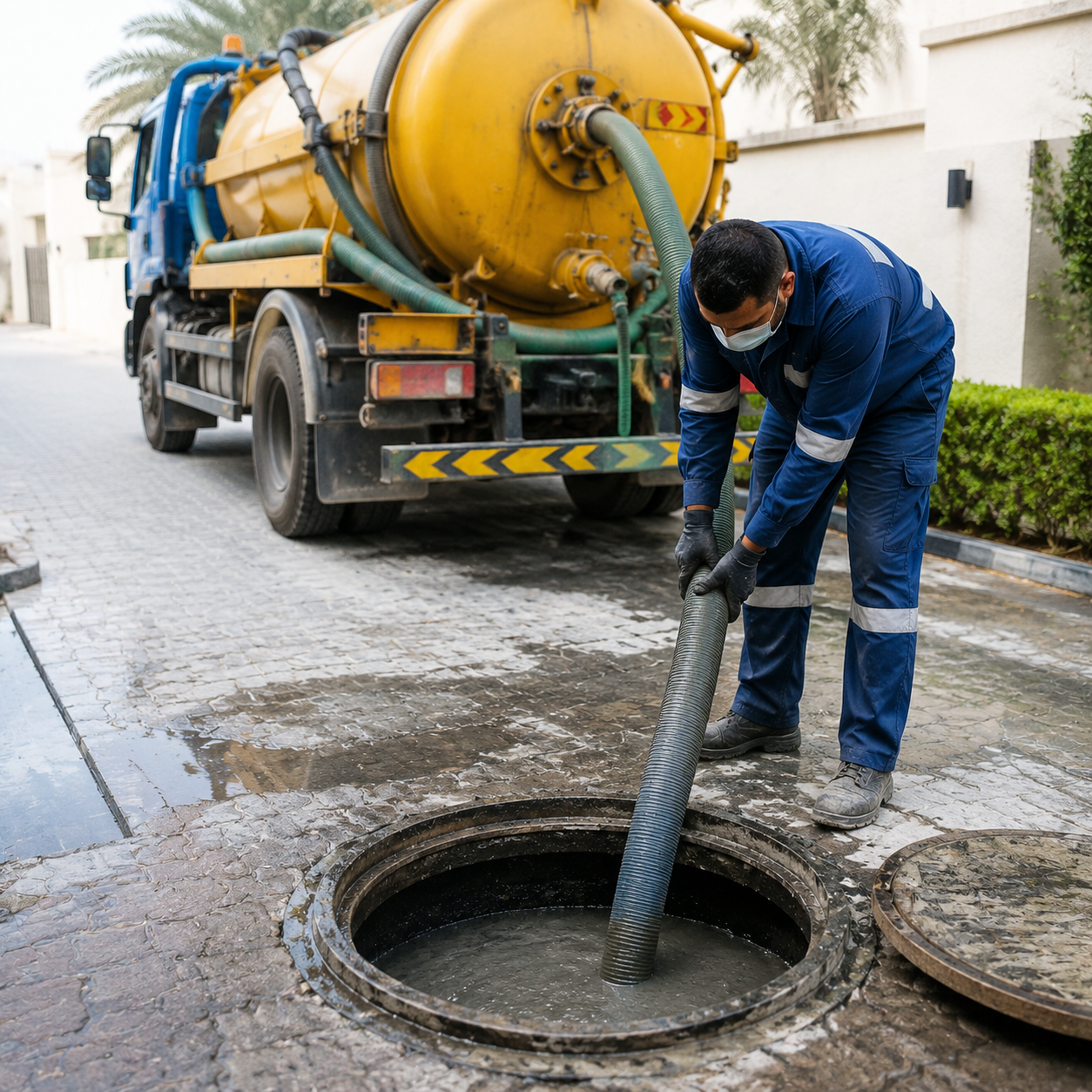
A holding tank has no drainage. It stores all the wastewater until a tanker empties it. These tanks reach capacity quickly, so many homes and sites in Dubai need service every one to three months.
Not sure which type you have? A quick inspection tells you fast — and it sets the right routine so you never get caught out.
Warning Signs Your Tank Needs Cleaning Now
Do not wait for the schedule if your tank is sending signals. These are the classic signs a tank is full or close to it:
- Slow drains in sinks, showers, and toilets.
- Bad sewage smells around the yard or near the tank.
- Gurgling sounds in the pipes.
- Water backing up into bathrooms or drains.
- Overflow or seepage from the inspection cover.
- Wet, soggy patches of ground near the tank.
Any of these means it is time to call for service. Ignoring them is the most common path to a full overflow. If you want to understand the root problems behind these symptoms, read our breakdown of sewage tank overflow causes so you can prevent the next one.
Why Regular Cleaning Matters in Dubai
Sticking to a schedule is not just about comfort. In Dubai, it protects your health, your property, and your wallet.
- The heat speeds things up. High temperatures accelerate waste buildup and odor, so tanks reach their limit faster here than in cooler climates.
- Overflow damages property. Leaking sewage can harm your foundation, landscaping, and drainage system — repairs that cost far more than routine cleaning.
- Rules apply. Dubai Municipality enforces waste management guidelines, and disposal must be handled by licensed operators. Poor maintenance can lead to fines, especially for commercial and industrial sites.
- Prevention is cheaper. A planned service costs a fraction of an emergency call-out at midnight.
Routine cleaning keeps the whole system flowing and quietly prevents the crises that catch people off guard.
What Affects the Cost
Price is not fixed — it scales with the job. The main factors are tank size, how full it is, access to the tank, and how often you book service.
Regular cleaning usually costs less per visit than a neglected, overfilled tank, which takes more time and equipment to clear. For a clear breakdown of what to expect, see our guide on sewage tank cleaning price before you book.
A simple rule holds true: the longer you wait, the more it tends to cost.
The Bottom Line
So, how often should a sewage tank be cleaned? For most homes in Dubai, plan on every 6 to 12 months — and more often for large households, holding tanks, or busy commercial sites. Watch for the warning signs, respect the heat, and never wait for an overflow to act.
Want to stop guessing and set the right schedule? Frontline Cleaning Services provides fast, safe, and Municipality-compliant sewage tank cleaning across Dubai — for villas, compounds, and commercial sites alike. Book your sewage tank cleaning today.
Frequently Asked Questions
How Frequently Should Dubai Homes Clean Their Sewage Tanks?
Most homes should clean their sewage tank every 6 to 12 months. Larger households, heavy water users, or homes with sealed holding tanks may need service every 3 to 6 months, or sooner.
How do I know when my sewage tank is full?
Watch for slow drains, bad odors, gurgling pipes, water backing up, or overflow from the inspection cover. These signs mean you should book cleaning right away, no matter your schedule.
Can I clean a sewage tank myself?
No. Sewage contains harmful bacteria and gases, and waste must be disposed of legally by licensed operators. Always use a trained, equipped professional service.
Does a septic tank need cleaning as often as a holding tank?
Usually not. A septic tank drains liquid through a soakaway, so it fills more slowly. A sealed holding tank stores everything and fills much faster, so it needs emptying more often.
What happens if I skip regular cleaning?
The tank can overflow, back up into your home, produce strong odors, and damage your property. You may also face repair costs and possible fines for improper waste handling.
Does hot weather change how often I should clean?
Yes. Dubai’s high temperatures speed up waste buildup and odor. During peak summer, many properties benefit from more frequent service than in cooler months.