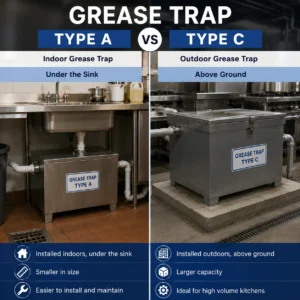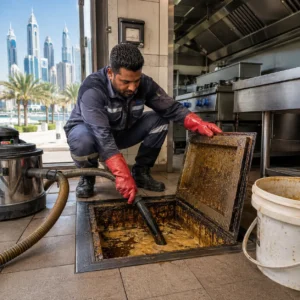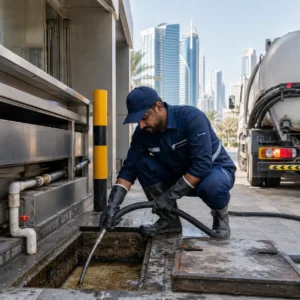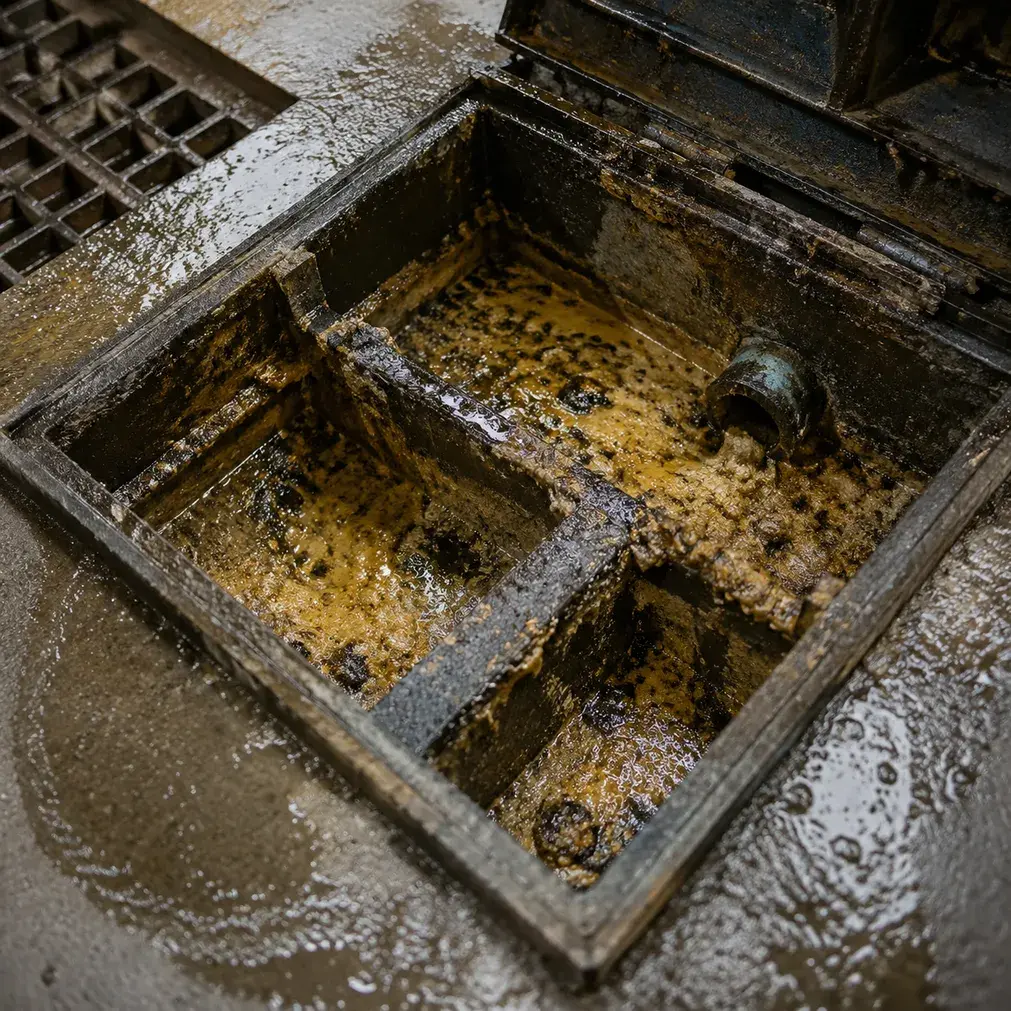
A restaurant owner notices a foul smell near the kitchen sink just before the lunch rush. At first, it seems like a minor plumbing issue. Within days, the drains begin backing up, wastewater pools on the floor, and customers start complaining about unpleasant odors. The root cause isn’t a broken pipe; it’s an overloaded grease trap that hasn’t been cleaned for months.
Grease traps quietly protect commercial kitchens every day, but when neglected, they can become one of the most expensive maintenance problems a business faces. Understanding what happens when a grease trap is not cleaned can help property owners avoid downtime, costly repairs, and potential health risks.
Quick Answer
If a grease trap is not cleaned regularly, grease, fats, oils, and food waste accumulate until the system can no longer separate waste effectively. This can lead to clogged drains, foul odors, plumbing failures, wastewater backups, pest infestations, health code violations, environmental pollution, and expensive emergency repairs.
Why Grease Trap Cleaning Matters
Many plumbing emergencies begin with neglected grease traps. Regular cleaning helps maintain smooth drainage, protects plumbing infrastructure, supports hygiene standards, and reduces the risk of business interruptions.
Routine grease trap cleaning in Dubai is also an important part of preventive facility maintenance, especially for businesses handling large volumes of food preparation.
What Happens If a Grease Trap Is Not Cleaned?
1. Drains Begin to Clog
As grease builds up, wastewater flow slows dramatically. Eventually, sinks, floor drains, and kitchen plumbing become blocked.
Minor drainage issues often develop into complete pipe obstructions requiring professional intervention.
2. Extremely Bad Odors Develop
Rotting food waste mixed with grease creates hydrogen sulfide and other unpleasant gases.
Common signs include:
- Strong sewer smell
- Rotten egg odor
- Persistent kitchen odor
- Bad smell near floor drains
These odors can spread throughout the building.
3. Wastewater Backs Up
A full grease trap cannot separate grease from wastewater.
Instead, dirty water backs up into:
- Kitchen sinks
- Floor drains
- Dishwashing areas
This creates sanitation risks and may force businesses to temporarily stop operations.
4. Increased Risk of Pipe Blockages
Grease that bypasses an overloaded trap solidifies inside drain lines.
Over time, this buildup narrows pipe diameter until complete blockage occurs.
In difficult situations, professional drain line jetting becomes necessary to restore full water flow
5. Pest Infestations
Food waste attracts:
- Cockroaches
- Flies
- Rodents
- Insects
Standing wastewater also provides ideal breeding conditions for pests, creating additional hygiene concerns.
6. Health and Safety Issues
Overflowing grease traps expose employees to contaminated wastewater.
Possible risks include:
- Slip hazards
- Bacteria growth
- Cross-contamination
- Unsanitary food preparation conditions
Maintaining a clean grease trap supports a healthier workplace.
7. Sewer Line Problems
If grease reaches municipal sewer lines, it can combine with other debris and contribute to major blockages.
Large accumulations of grease have been linked to sewer overflows that can affect surrounding properties and infrastructure.
8. Expensive Emergency Repairs
Ignoring routine maintenance often leads to emergency plumbing services.
Potential costs include:
- Pipe cleaning
- Drain replacement
- Water damage restoration
- Business downtime
- Equipment cleaning
- Plumbing repairs
Preventive maintenance is usually far less expensive than emergency repairs.
9. Environmental Pollution
Overflowing grease traps may release untreated wastewater into drainage systems.
Improper disposal can contribute to environmental contamination and increase the burden on wastewater treatment systems.
Common Warning Signs Your Grease Trap Needs Cleaning
Watch for these indicators:
- Slow-draining sinks
- Standing water
- Frequent drain blockages
- Grease floating in sinks
- Strong foul odors
- Gurgling sounds
- Overflowing grease trap
- Increased insect activity
Ignoring these signs often leads to larger plumbing issues.
Short-Term vs Long-Term Consequences
| Short-Term Problems | Long-Term Problems |
| Slow drainage | Pipe replacement |
| Bad odors | Major plumbing repairs |
| Small clogs | Sewer backups |
| Overflowing grease trap | Property damage |
| Pest activity | Health inspection issues |
| Reduced kitchen efficiency | Business interruption |
Pros and Cons of Regular Grease Trap Cleaning
| Pros | Cons |
| Prevents blockages | Requires scheduled maintenance |
| Eliminates odors | Ongoing service cost |
| Extends plumbing lifespan | Business planning required |
| Supports hygiene | Temporary service interruption |
| Reduces repair expenses | None compared to emergency repairs |
| Helps maintain compliance | —- |
Factors That Affect Cleaning Frequency
Cleaning schedules vary depending on several factors:
Kitchen Size
Larger commercial kitchens generate more grease.
Daily Food Production
Restaurants serving hundreds of meals require more frequent cleaning.
Type of Food
Fried foods produce more grease than baked or steamed meals.
Grease Trap Capacity
Smaller grease traps fill more quickly.
Local Maintenance Requirements
Some municipalities have specific cleaning intervals for commercial grease traps.
How to Choose a Grease Trap Cleaning Service
When comparing service providers, consider:
- Experience with commercial kitchens
- Proper waste disposal practices
- Licensed technicians
- Emergency support
- Transparent pricing
- Maintenance scheduling
- Inspection reports
- Positive customer reviews
Choosing preventive maintenance over emergency callouts can reduce long-term operating costs.
Common Mistakes to Avoid
Avoid these common errors:
- Waiting until drains clog
- Pouring cooking oil directly into sinks
- Ignoring foul odors
- Skipping maintenance schedules
- Using harsh chemicals instead of professional cleaning
- Assuming hot water dissolves grease permanently
Why Facility Managers Should Prioritize Preventive Drain Care
Facility managers often focus on fixing plumbing problems after they occur. However, preventive maintenance is generally more cost-effective than emergency repairs.
If grease buildup has already affected your drainage system, professional drain line jetting can remove stubborn deposits and restore flow efficiently. If you’re wondering whether this method is suitable for aging plumbing, read this guide on whether drain jetting is safe for old pipes.
Businesses looking for comprehensive facility maintenance can also explore the professional cleaning solutions offered by Frontline Cleaning Services.
Final Recommendation
A neglected grease trap can lead to slow drains, foul odors, plumbing failures, wastewater backups, pest infestations, and costly repairs. Regular inspections and timely cleaning are essential for maintaining efficient kitchen operations and protecting your plumbing infrastructure.
Rather than waiting for an emergency, businesses should adopt a preventive maintenance plan that includes grease trap cleaning, drain maintenance when needed, and periodic system inspections. Taking a proactive approach not only reduces long-term costs but also helps maintain a cleaner, safer, and more reliable commercial kitchen.
Frequently Asked Questions
How often should a grease trap be cleaned?
The frequency depends on grease production, trap size, and kitchen activity. Many commercial kitchens schedule cleaning every one to three months, though high-volume operations may require more frequent servicing.
Can a full grease trap damage pipes?
Yes. Excess grease can enter drain lines, solidify inside pipes, and eventually cause serious blockages.
What causes grease trap odors?
Food waste decomposition and trapped grease release gases that produce unpleasant smells.
Can I clean a grease trap myself?
Small grease traps may be maintained by trained staff where regulations permit, but commercial systems are generally best handled by professionals with the proper equipment and disposal methods.
Does hot water remove grease buildup?
No. Hot water may temporarily liquefy grease, but it usually solidifies again farther down the pipe, increasing the risk of blockages.
What happens if grease enters the sewer?
Grease can accumulate inside sewer lines, contribute to blockages, and increase the likelihood of wastewater overflows.